
May 2026 Newsletter
Hantavirus in the News
You have probably seen news of an unusual outbreak of hantavirus associated with a cruise ship. Many rumors have been circulating online with people fearing the next COVID-19. However, understanding the basics of hantavirus makes it clear there’s no reason to fear a global pandemic related to this event.

The term 'hantavirus' refers to several different viruses carried by rodents worldwide; only some strains cause illness (hantavirus pulmonary syndrome) in humans.
In California, Sin Nombre virus is the main cause of hantavirus. Sin Nombre virus CANNOT be transmitted person-to-person. Sin Nombre virus is mainly found in the droppings and urine of deer mice. Human cases are rare and typically result from breathing in dust contaminated by infected rodent urine or feces, such as when entering/cleaning a building in a natural/rural area that has been closed for a period of time. Fortunately, sunlight and common disinfectants destroy the virus, and proper precautions effectively minimize risk.
In some parts of South America, a different virus, Andes virus, is the main cause of hantavirus. Andes virus is NOT found in the United States. It is usually spread through rodent urine and feces. However, Andes virus is the only known hantavirus that can, in very rare cases, be transmitted from person to person. The virus was first discovered in Argentina in the mid-1990s, and its range appears to be limited to certain parts of South America.
Person-to-person spread of Andes virus can occur only with close, prolonged contact, which could have been enabled by the cruise ship setting. There is likely no new type of disease threat here—just a very unfortunate set of circumstances and events.
You can protect yourself from the Sin Nombre virus (which can be found in California) by:
- Excluding rodents from buildings
- Allowing rodent-infected structures that have been closed for a long time to air out for at least 30 minutes before entering
- Wearing gloves and a proper mask when cleaning up rodent droppings and urine
- Using safe cleanup methods for mouse urine and droppings
You can read about hantavirus in California HERE and about prevention and clean-up HERE.
May is Lyme Disease Awareness Month

Lyme Disease spreads through the bite of an infected tick. Nymphal (baby) ticks pose a greater risk of spreading the bacteria that cause Lyme Disease. Most people who get Lyme disease are infected by these tiny ticks, which are more common in the spring and early summer. While the risk of getting Lyme Disease from a tick in San Mateo County is low, the risk is not zero.
Follow the links below to learn more about:
- Lyme Disease
- Our results from testing thousands of ticks over the past 15+ years
- How to protect yourself from tick bites
Great news if you live in San Mateo County - we are currently running a program through which you can request a no-cost tick-bite prevention kit! Sign-up here and allow several weeks for your tick kit to arrive.
Another great resource is this video we collaborated on with graduate student Kacie Ring, MS at UCSB to help people learn about tick-bite prevention. Check out the video below. The video is also available in Spanish HERE.
Common Culprit of the Month - Moth/Drain Flies
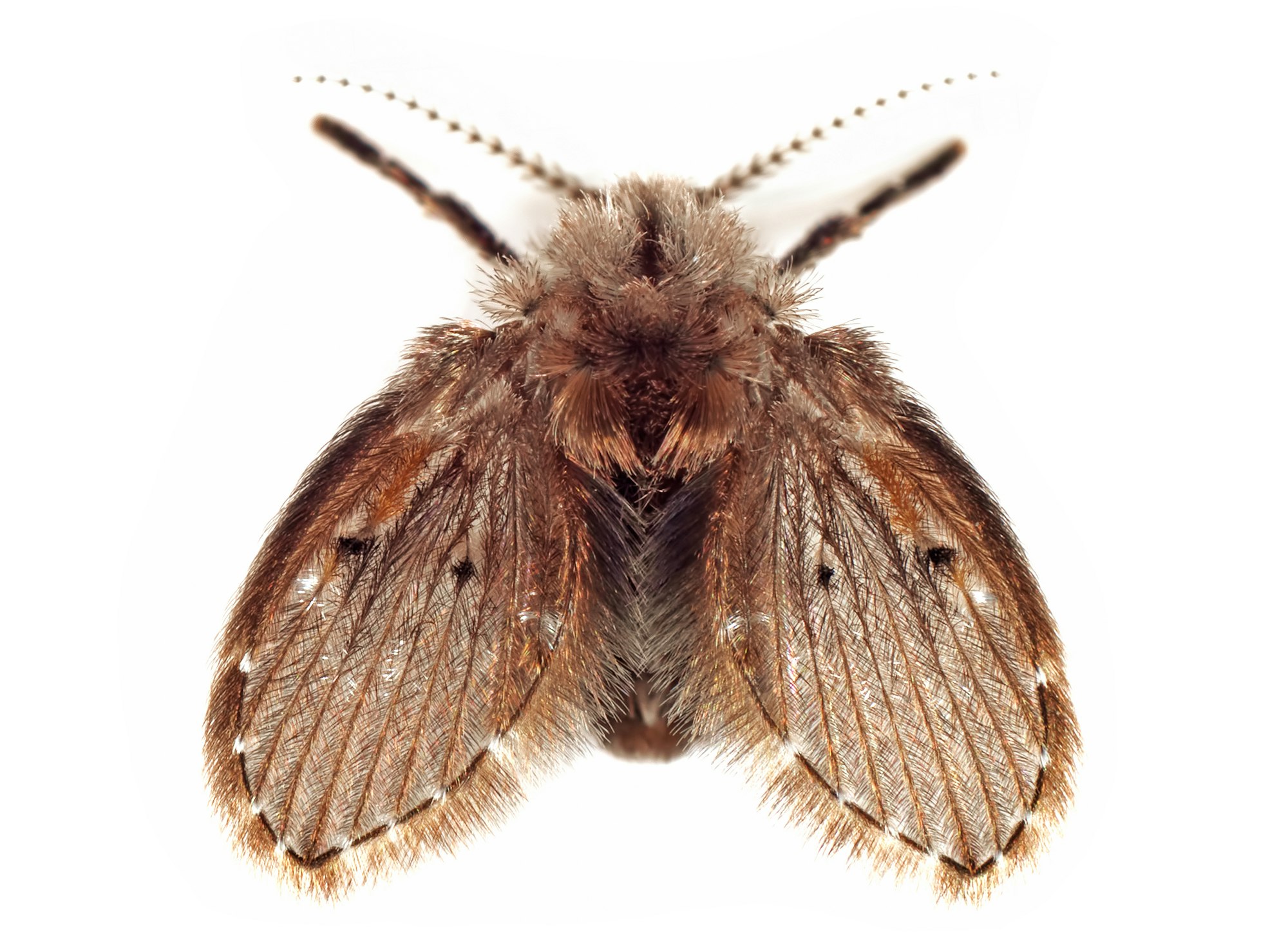
We frequently receive requests to identify insects (did you know that's one of the services we offer?). Over the next few months, we'll highlight some of the more frequent requests. This month, we're highlight moth flies (also know as drain flies).
Moth flies are small (about 1/8th inch), fuzzy flies that commonly lay eggs in, develop in, and emerge from, drains of all kinds. The flies lay their eggs in the slimy organic material that sometimes builds up in a drain and the connected pipe. Bathroom and kitchen drains are particularly susceptible because they typically have lots of organic matter. The baby (larval) flies live in the organic material, pupate, and emerge from the drain as adult flies.
Drain flies are recognizable by their 'fuzzy' appearance and rounded wings. They don't generally fly very far and can usually be found near the drain from which they emerged. They rest on walls and other surfaces, are not very fast fliers, and Rachel (who is writing this section) thinks they are adorable.
If you do not think drain flies are adorable and would like to learn more about how to control them, the UC IPM article has useful information about drain fly control.